

Explore California's most southwestern State Park
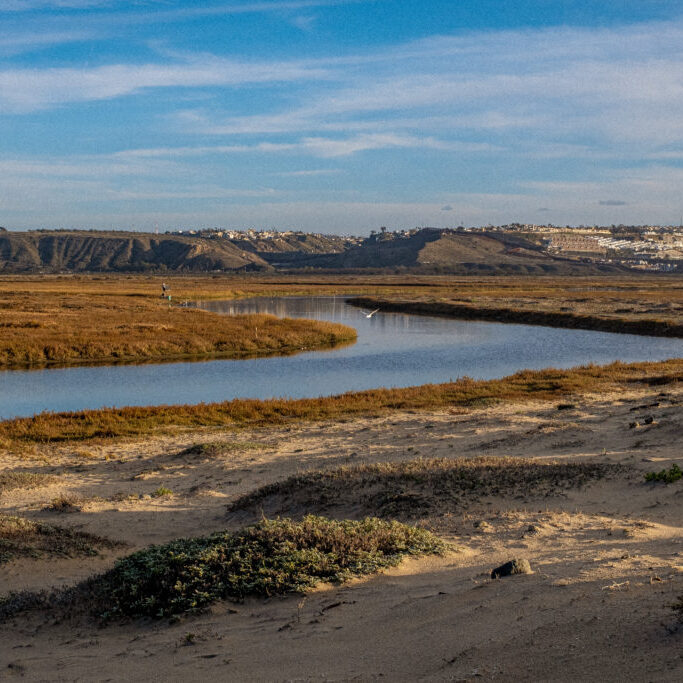
Located within the Tijuana River National Estuarine Research Reserve, Border Field State Park sits in the very southwestern corner of the United States, 15 miles south of San Diego. This important wildlife habitat, comprised of sand dunes and salt marshes, gives refuge to critically threatened and endangered birds such as the Western snowy plover, the California Least tern, and the light-footed Ridgway's rail.
Park Status - CLOSED
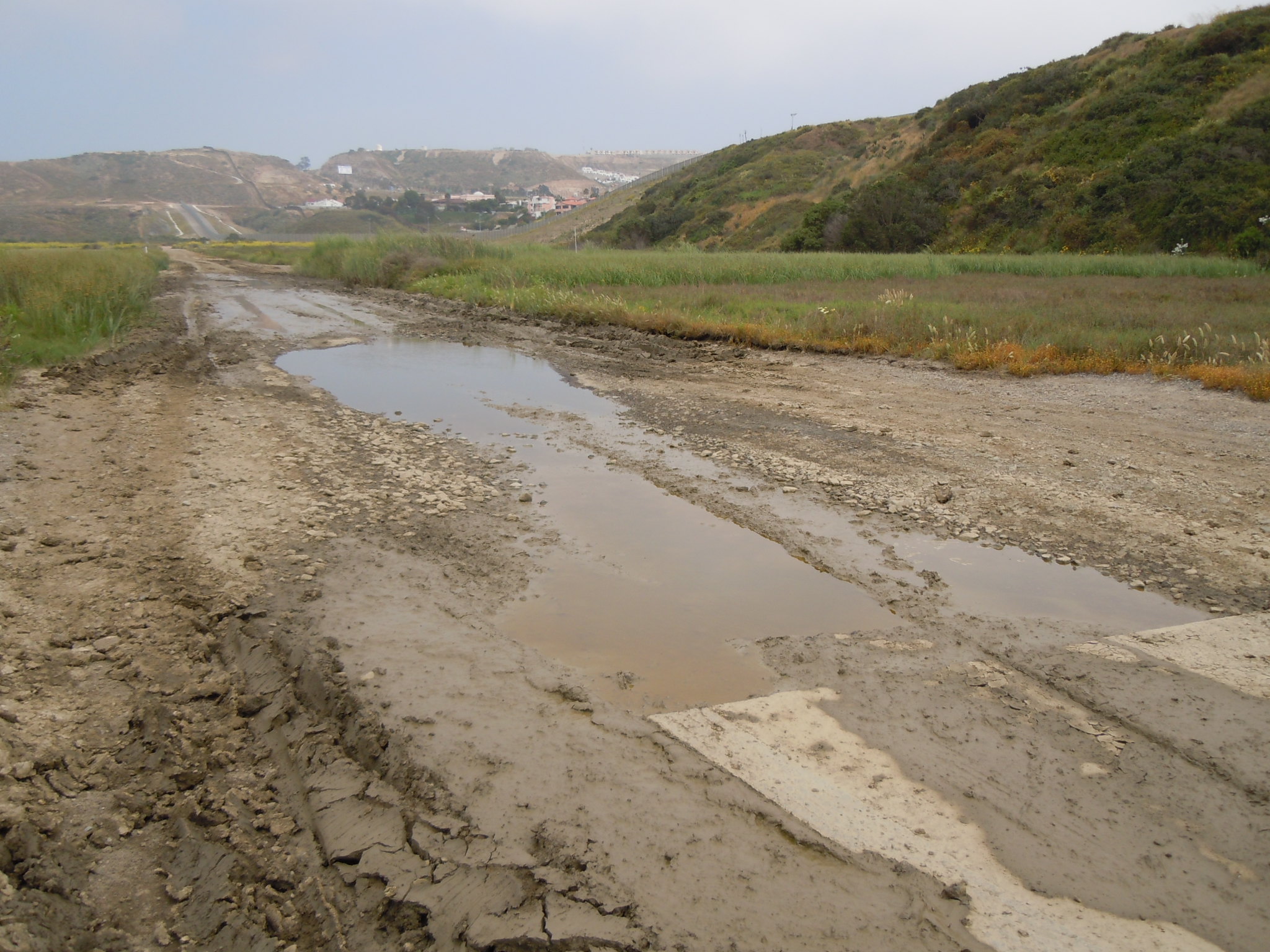
(Updated 4/1/2025) ALERT: Effective June 18, 2024: Border Field State Park remains temporarily closed. Failure of the Hollister Street Pump Station on June 17, 2024 has resulted in transboundary flows through Border Field State Park. The roads and trails may be flooded with sewage contaminated water and mud. Out of precaution and public safety, the park is closed to hiking, biking, equestrian activity, and vehicles until further notice.
Since August 2023, the park has been closed to the public due to storm damage from Hurricane Hillary that contributed to failures of the South Bay International Wastewater Treatment Plant infrastructure resulting in an early seasonal closure. Subsequent storms through the winter of 2024 compounded the initial damages to the park. Border Field State Park is vulnerable to cross-border flows, resulting in sewage contaminated water, mud and debris on the park road and trails. During a typical year, this flooding will result in park closures from October through May, with the park re-opening in June for summer use. California State Parks is actively working to increase access to the park unit.
Please note: There is no access to Friendship Circle from Border Field State Park. Friendship Circle is operated by the U.S. Customs and Border Protection.
Day After Labor Day - October 31
9:30a.m. to 6:00p.m.
November 1 - April 14
9:30a.m. to 5:00p.m.
April 15 - Day before Memorial Day Weekend
9:30a.m. to 6:00p.m.
Memorial Day Weekend - Labor Day
9:30a.m. to 7:00p.m.
1500 Monument Rd.
San Diego, CA 92154
Enter through gate at 1250 Monument Rd.
All mail should be sent to the visitor center
(619) 575-3613
$7.00 per vehicle
Monument Mesa
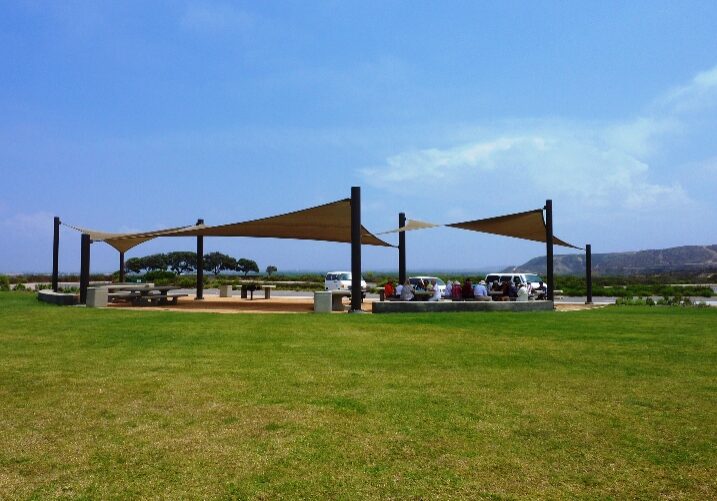
This 4 acre picnic and parking area is within Border Field State Park, at its southwest corner. It is the most popular destination in the park due to its views of the estuary and the ocean and its proximity to the international boundary with Mexico.
Border Monument at Friendship Circle
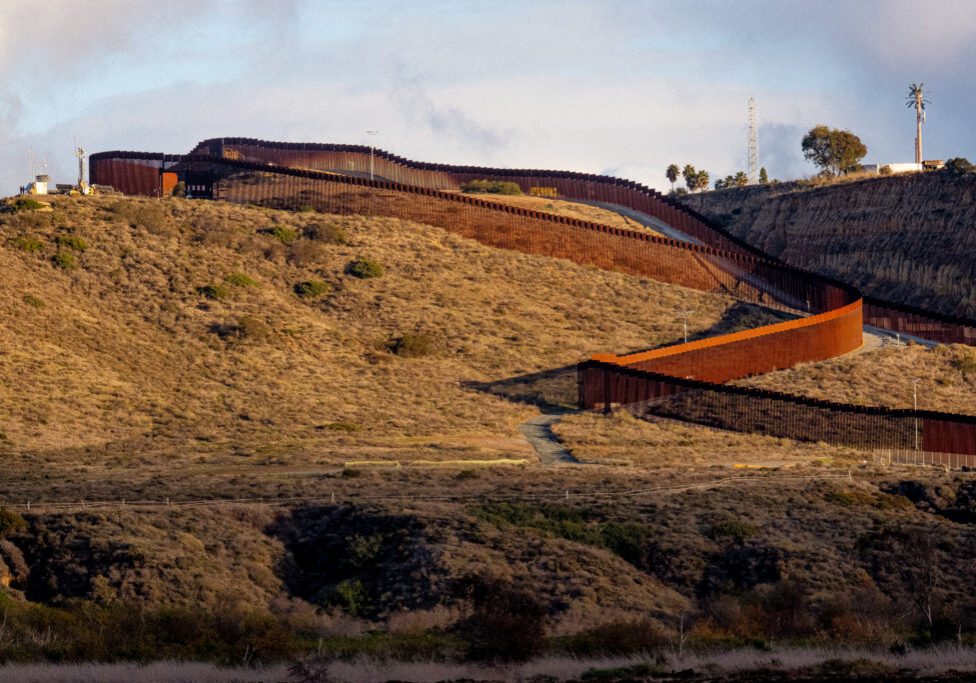
Friendship Park was once a portion of the Monument Mesa picnic area but is now wholly within the “Border Infrastructure Project,” owned by the federal Department of Homeland Security (DHS). The Park is a circle around the 19th century monument that memorializes the starting point for the land survey that established the 2000-mile border between the United States and Mexico. It has been a popular destination for people meeting up (through the fence) with friends and relatives in Mexico. Customs & Border Patrol agents now manage public access to the U.S. side of Friendship Park during specific times, allowing limited numbers of people.
Generally, the U.S. side of Friendship Park and the Bi-national Garden are open to the public year-round on Saturday and Sunday from 10:00 a.m. - 2:00 p.m. Any document verifying legal residence in the U.S. (e.g. Driver’s License) is sufficient to gain access to Friendship Park.
Please note, Friendship Park is currently closed. For current information, please contact the Border Patrol Public Information Office: 619-216-4182.
History of Border Field State Park
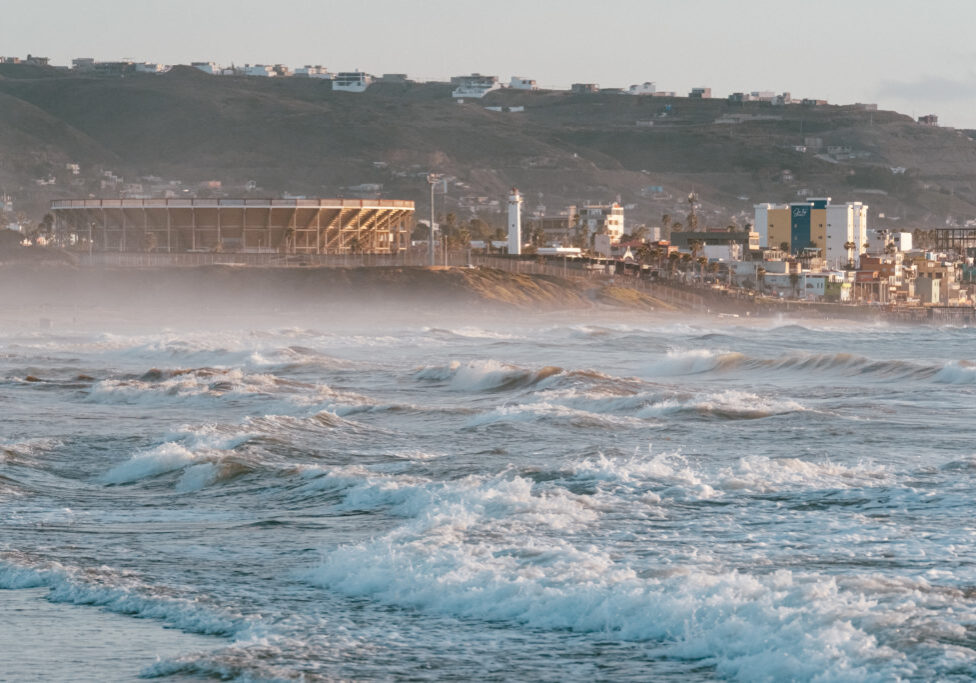
The Treaty of Guadalupe Hidalgo was concluded on February 2, 1848, officially ending the U.S./Mexico War. In 1850, delegations from both countries began surveying the boundary at this location. Border Monument number 258 can be viewed from Monument Mesa, however there is no close access because it is now behind two border fences. You can still see the bunkers which were leftover from World War II.
Border Field FAQs
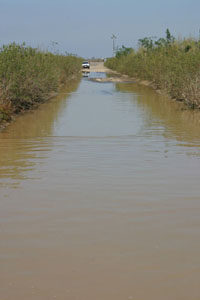 Yes, Border Field trails are open to hikers, bicyclists, and equestrians every day until sunset. The gate closes due to flooding from urban and storm water runoff, restricting vehicle access during the wet season. This contaminated water is a health hazard and should not be entered by foot, bicycle, or vehicle. The gate opens, on weekends only, for vehicle access during summer months when Monument Road is completely dry.
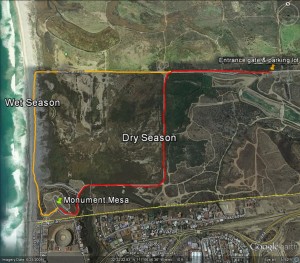 Wet Season
Protecting Wildlife
The following rules and regulations are for your own safety and to protect the plants and animals that live in this Reserve. More information can be found in our Sharing the Park brochure.
Dogs
For the safety of the Park’s threatened and endangered birds, dogs (only on leash) are allowed only atop the Monument Mesa picnic area. Therefore, only when the road is accessible to public vehicles (when the road is not flooded).
No harassing or disturbing wild animals
This is prohibited by state and federal laws.
No collecting
Shells, rocks, wood, plants or animals. As a State Park, all features are protected. Please don’t dig, collect, break or in anyway disturb the natural and historic features found in Border Field State Park. Help us save them for future generations to enjoy. And, anyhow, it’s against the law.
Special Events and Group Visits.
A Special Event Permit is required for any company, society, organization, or group of persons (including schools) greater than 25 individuals. Any group that has alcohol or catering is required to have a permit for any size group. Contact ; school groups should contact the Education Department.
Directions
Open to vehicle traffic on Saturday and Sunday. Weather permitting
From the I-5 South/North
Take exit 2 – Dairy Mart Road. Head Southwest on Dairy Mart Road. Dairy Mart Road will curve right onto Monument Road. Turn right (West) on Monument Road until you reach the park entrance.
From Imperial Beach
Head East on Imperial Beach Blvd (it will become Coronado Avenue in Imperial Beach). Just before you reach the freeway, turn right onto Hollister Street. Continue down Hollister until you reach Monument Road. Turn right (West) on Monument Road until you reach the park entrance.